Powerlifting belts are not just gym accessories—they are performance-focused support tools engineered to improve lifting stability, enhance biomechanics, and reduce injury risk during heavy strength training. For B2B buyers such as fitness brands, wholesalers, distributors, and private label companies, understanding the functional role and commercial value of powerlifting belts is critical for making strategic product decisions.
This guide explains what are powerlifting belts for, how they work, and why they remain a high-demand product in the global fitness equipment market.
What Is the Purpose of a Powerlifting Belt?
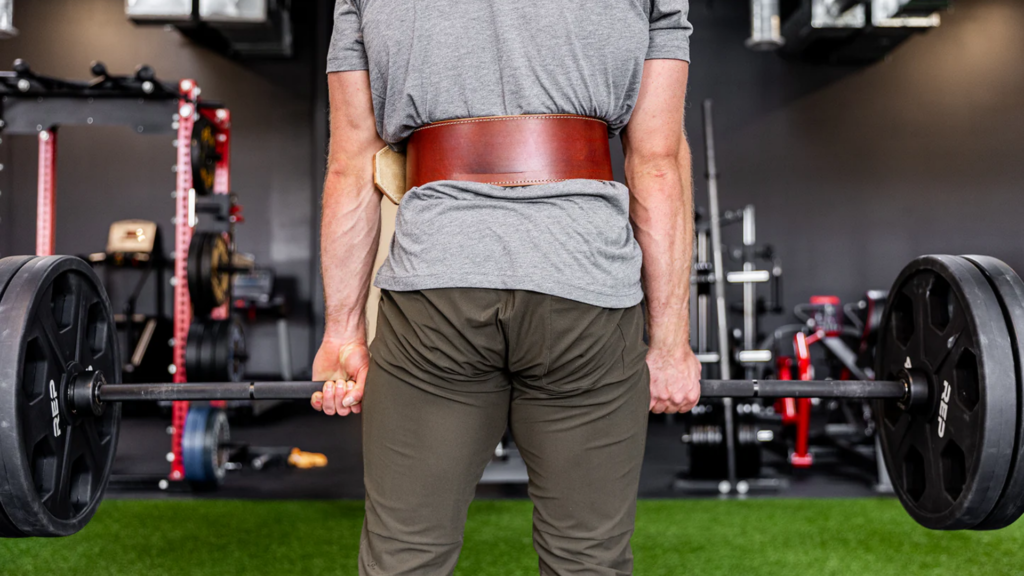
The primary purpose of a powerlifting belt is to increase intra-abdominal pressure (IAP), which is essential for stabilizing the spine during heavy compound lifts like squats, deadlifts, and overhead presses.
When a lifter braces their core against a belt:
- The abdominal muscles expand outward
- The belt provides external resistance
- This interaction creates a rigid torso structure
- The spine remains stable under load
From a product standpoint, this translates into improved performance, safer lifting mechanics, and higher user confidence—key factors that drive demand in both retail and wholesale markets.
How Powerlifting Belts Work (Technical Overview)
Powerlifting belts function through a combination of biomechanics and pressure mechanics:
- Core Bracing Support: The belt provides a surface for the abdominal wall to push against, reinforcing proper bracing technique
- Spinal Stabilization: Increased intra-abdominal pressure reduces stress on the lumbar spine
- Force Transfer Efficiency: A stable torso allows better energy transfer during lifts
For manufacturers and suppliers, this highlights the importance of material quality, structural integrity, and ergonomic design in the development of their products.
Why Powerlifting Belts Matter in the B2B Market
Powerlifting belts represent a strong category within the strength training segment due to consistent demand and clear functional value.
Key B2B Advantages
Strong Market Demand
The global rise in strength training, powerlifting, and gym culture continues to drive demand across regions, including North America, Europe, and the Middle East.
Private Label Opportunities
Powerlifting belts are highly customizable, allowing businesses to offer:
- Custom logos and embossing
- Color variations
- Branded packaging
Product Versatility
These belts are suitable for multiple channels:
- Commercial gyms
- E-commerce fitness brands
- Sports retailers
- Professional athletes
Low Return Rates
Due to their durability and standardized sizing, powerlifting belts typically have fewer returns compared to apparel-based fitness products.
Types of Powerlifting Belts
Understanding product variations is essential for targeting different customer segments:
Lever Belts
Features a lever buckle mechanism that allows quick locking and unlocking. These are commonly used in competitive powerlifting due to consistent tightness.
Prong Belts
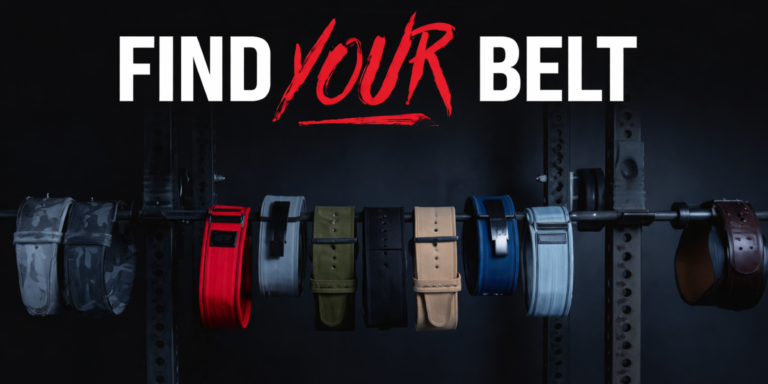
Use a traditional buckle system with adjustable holes. They are versatile and widely accepted among both beginners and experienced lifters.
Quick Lock Belts
Utilize modern fastening systems designed for speed and convenience. These are popular in general fitness training environments.
For B2B buyers, offering multiple belt types ensures broader market coverage and increased sales potential.
Key Features That Drive Sales
High-performing powerlifting belts typically include:
- Premium leather or high-density nylon construction
- Reinforced stitching for long-term durability
- Standardized thickness (commonly 10mm or 13mm) for optimal support
- Uniform width design for consistent pressure distribution
- Custom branding capabilities for private label businesses
These features directly influence product quality, user satisfaction, and brand positioning in competitive markets.
EEAT Perspective: Industry Expertise and Trust
From a professional standpoint, powerlifting belts are essential tools for serious strength training. Well-established principles of biomechanics and resistance training support their effectiveness.
Businesses that supply high-quality belts backed by clear product specifications, transparent materials, and reliable manufacturing processes are more likely to build long-term trust with buyers and end users. Demonstrating expertise through detailed product descriptions, usage guidance, and educational content further strengthens brand authority.
When and Why End Users Use Powerlifting Belts
End users typically rely on powerlifting belts when lifting at higher intensities, usually above 75 to 80 percent of their one-repetition maximum. Belts are most commonly used during compound movements where spinal stability is critical.
For B2B buyers, this indicates that the target audience includes:
- Powerlifters and strength athletes
- Bodybuilders
- Fitness enthusiasts training at high intensity
- Gym facilities offering strength training equipment
Understanding this end-user behavior helps businesses position their products more effectively.
Summary
Powerlifting belts are strength training accessories designed to increase intra-abdominal pressure, stabilize the spine, and improve lifting performance. They are commonly used during heavy compound exercises such as squats and deadlifts. For B2B buyers, powerlifting belts offer strong market demand, customization opportunities, and reliable product performance, making them a valuable addition to fitness product portfolios.