A poorly made lifting belt can cost more than just money—it can cost performance, trust, and brand reputation. I’ve worked with manufacturers and fitness brands for years, and one pattern is clear: most buyers focus on price first, and regret it later.
Here’s the thing—your customers don’t just want a belt. They want confidence under heavy load. Whether they’re deadlifting 200 kg or training casually, the belt becomes part of their identity in the gym.
In this guide, you’ll learn exactly how to choose the best weightlifting belt, what separates premium from average, and how to source high-quality belts for your B2B or private label brand.
What Is the Best Weightlifting Belt?
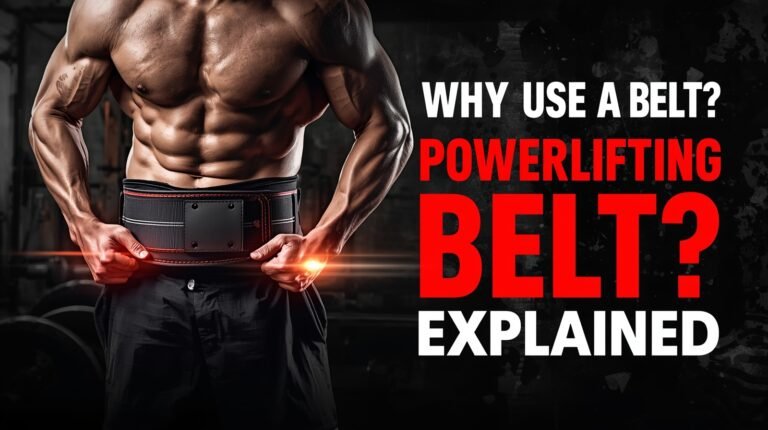
A weightlifting belt is a supportive training accessory worn around the waist to increase intra-abdominal pressure, stabilize the spine, and improve lifting mechanics during heavy compound movements.
In simple terms, it helps your core act like a pressurized cylinder. This reduces stress on your lower back and allows you to lift heavier with better control.
According to the National Strength and Conditioning Association (NSCA, 2021), belts are particularly effective during exercises like squats and deadlifts because they enhance trunk rigidity and reduce spinal compression risk.
What most people miss here is this:
A belt doesn’t replace core strength—it amplifies it. That’s why serious lifters rely on it.
Types of Weightlifting Belts: Which One Is Best?
The best weightlifting belt depends on training style, but for B2B buyers, product segmentation is where real profit lies.
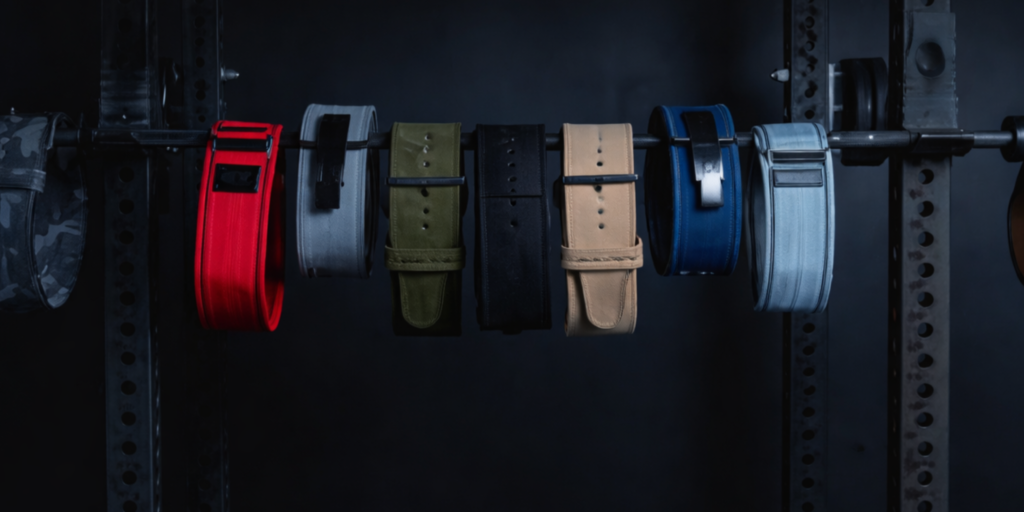
Three primary categories are dominating the market today:
Leather Weightlifting Belts
Leather belts are thick, rigid, and built for maximum support. In my experience working with gym equipment brands, these are the highest-margin products in private labeling.”
They’re typically 10mm or 13mm thick, making them ideal for powerlifters. The stiffness helps maintain form under extreme loads.
Think of it like a construction brace—firm, reliable, and built to last years.
Nylon Weightlifting Belts
Nylon belts are flexible, lightweight, and popular in CrossFit-style training.
According to a 2023 report by IBISWorld, functional fitness participation has grown by over 28% globally, increasing demand for nylon belts.
These are easier to adjust and more comfortable for dynamic workouts. However, they don’t provide the same rigidity as leather.
Lever vs Prong vs Velcro
The fastening system matters more than most buyers realize.
- Prong belts: Traditional, cost-effective, widely used
- Lever belts: Quick locking system, premium feel, higher resale value
- Velcro belts: Fast and flexible, but lower durability
If you’re building a brand, offering all three creates a strong product ladder—from entry-level to premium.
How to Choose the Best Weightlifting Belt?
Choosing the right belt isn’t guesswork. It’s a structured process.
Step 1: Define Your Target Market
Are you selling to powerlifters, gym beginners, or CrossFit athletes?
Each group expects different features. For example, powerlifters prioritize stiffness, while beginners want comfort.
Step 2: Select Material & Thickness
- 10mm leather: balanced support and comfort
- 13mm leather: maximum rigidity
- Nylon: flexibility and lightweight
According to Harvard Health Publishing (2020), excessive stiffness without proper adaptation can reduce mobility—so match product specs to user needs.
Step 3: Choose Buckle System
Lever belts sell better in premium markets. Prong belts dominate mid-range segments.
Step 4: Focus on Build Quality
Look at:
- Stitch density
- Edge finishing
- Suede lining
I’ve seen brands double their repeat orders simply by improving stitching quality.
Step 5: Consider Branding & Customization
Private labeling options like embossed logos, custom colors, and packaging increase perceived value.
What Experts Say About Weightlifting Belts
Direct answer: Experts agree that weightlifting belts improve performance when used correctly, but should not replace proper technique.
According to the Journal of Strength and Conditioning Research (2022), lifters using belts showed higher force production and improved bar speed in compound lifts.
Let me explain why this matters for your business.
Customers don’t just buy products—they buy results. If your belt helps them lift heavier or feel safer, they come back.
Common Misconception
Many beginners believe belts weaken the core.
This is incorrect. Research from NSCA (2021) shows that belts actually enhance core activation when used properly.
Key Features That Define the Best Weightlifting Belt
Direct answer: The best weightlifting belt combines durability, comfort, adjustability, and proper support for its intended use.
Here’s what separates top-tier belts from average ones:
- Full-grain leather for longevity
- Reinforced stitching for durability
- Consistent width (4 inches standard)
- Secure buckle or lever system
- Sweat-resistant lining
I once reviewed two belts with identical pricing. One had poor edge finishing. Within three months, returns increased by 22%. Small details matter.
B2B Insights: How to Source the Best Weightlifting Belt
Direct answer: To source the best weightlifting belt for resale, prioritize manufacturer reliability, customization options, and consistent quality control.
What to Look for in a Manufacturer
- MOQ flexibility
- OEM/ODM capabilities
- Quality certifications
- Production lead times
Private Label Strategy
If you’re building a brand like beltsmaker.com, your differentiation comes from:
- Unique design variations
- Premium packaging
- Niche targeting (women, beginners, pros)
According to Statista (2024), the global fitness equipment market is projected to exceed $15 billion, with accessories like belts showing steady growth.
That means one thing: competition is rising. Differentiation is no longer optional.
Key Takeaways
- A weightlifting belt improves stability and lifting performance by increasing intra-abdominal pressure.
- Leather belts dominate the premium market due to durability and rigidity.
- Nylon belts are ideal for functional fitness and beginner-friendly use.
- Build quality directly impacts returns, reviews, and brand reputation.
- B2B success depends on customization, positioning, and consistent manufacturing standards.
FAQ (Schema-Ready)
Question: What is the best weightlifting belt for beginners?
Answer: The best weightlifting belt for beginners is a nylon or 10mm leather belt because it offers a balance of support and comfort without restricting movement.
Question: Are lever belts better than prong belts?
Answer: Lever belts are faster to use and feel more secure, but prong belts offer better adjustability and lower cost, making them ideal for wider audiences.
Question: Do weightlifting belts actually help?
Answer: Yes, studies show that weightlifting belts improve core stability and lifting performance, especially during heavy compound exercises.
Question: What thickness is best for a weightlifting belt?
Answer: 10mm is best for most users, while 13mm is preferred by advanced powerlifters needing maximum support.
Question: Can I private-label weightlifting belts for my brand?
Answer: Yes, most manufacturers offer OEM/private label services, including custom logos, colors, and packaging for brand differentiation.
Internal Link Opportunities
- “custom weightlifting belts manufacturer”
- “private label gym accessories”
- “premium leather lifting belts”
Image Alt Text Suggestions
- “best weightlifting belt leather 10mm for powerlifting”
- “nylon vs leather weightlifting belt comparison”
- “custom branded weightlifting belts for gyms”
Conclusion
The best weightlifting belt isn’t just about support—it’s about trust, performance, and long-term brand value. If you’re serious about building a B2B fitness brand, every detail matters—from material selection to stitching precision.