Why Gym Belts Matter in Strength Training
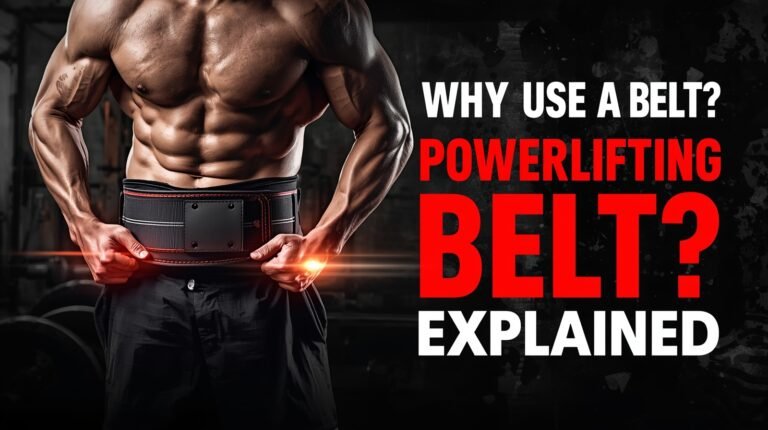
A gym belt helps stabilize the core, support the lower back, and improve lifting performance during heavy strength training exercises. Whether someone is performing squats, deadlifts, overhead presses, or other compound movements, a properly used lifting belt can increase intra-abdominal pressure and create a stronger, safer lifting position.
Understanding how does gym belt helps is essential for athletes, coaches, gym owners, and fitness equipment buyers. Gym belts are no longer used only by professional powerlifters. Today, they are widely used in commercial gyms, home fitness setups, CrossFit facilities, and performance training centers because they offer both protection and performance benefits.
For fitness ecommerce brands and wholesale suppliers, gym belts remain one of the most demanded training accessories because they solve a clear problem for lifters who want better support and confidence under heavy loads.
How Does Gym Belt Help During Exercise?
A gym belt helps by increasing pressure around the abdominal area and lower back while lifting. This pressure creates a stronger and more stable torso, allowing the lifter to maintain better posture and spinal alignment throughout the movement.
Creating Core Stability Through Intra-Abdominal Pressure
The main function of a lifting belt is to give the abdominal muscles something to brace against. When a lifter takes a deep breath and pushes the core outward into the belt, the torso becomes more rigid. This added rigidity helps reduce unwanted spinal movement and improves control during heavy lifts.
Instead of the belt doing the work for the lifter, it enhances the body’s natural bracing mechanism. This allows for better force transfer and improved mechanical efficiency during exercises like squats and deadlifts.
Supporting the Lower Back Under Heavy Load
The lower back often experiences the highest amount of strain during compound lifts. A gym belt helps distribute this pressure more evenly across the torso, reducing excessive stress on the lumbar spine and helping lifters maintain a safer lifting position.
This is especially important for athletes training with high intensity or progressive overload, where even small improvements in support can make a significant difference.
Key Benefits of Using a Gym Belt
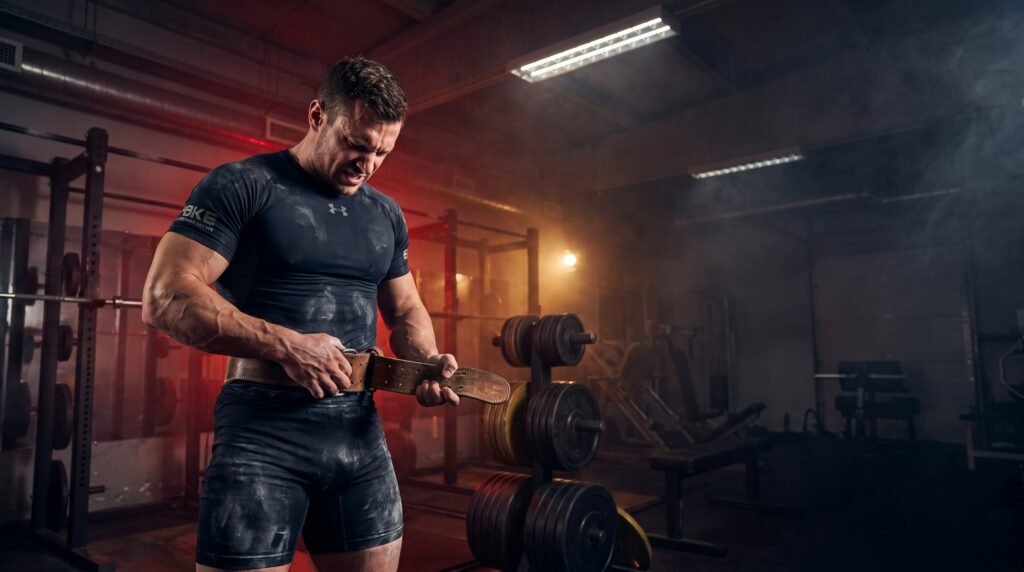
Gym belts offer more than just physical support. They improve overall lifting performance, confidence, and long-term training consistency.
Improved Lifting Performance
Many lifters experience better strength output when wearing a lifting belt correctly. Because the torso stays tighter and more stable, the body can generate force more efficiently. This often leads to better power transfer during heavy movements and increased confidence when handling challenging weights.
For competitive athletes, this performance advantage can directly impact training progression and competition results.
Better Technique and Body Awareness
A gym belt can improve lifting mechanics by helping athletes feel proper bracing. The belt provides immediate feedback, making it easier to understand how to engage the core effectively during movement.
For beginners and intermediate lifters, this can accelerate skill development and improve overall training quality.
Reduced Fatigue During Intense Sessions
When the core remains stable, the body uses energy more efficiently. This can reduce unnecessary muscular fatigue, especially during multiple heavy sets or longer training sessions.
Strength athletes, bodybuilders, and CrossFit competitors often benefit from this added efficiency during demanding workouts.
Enhanced Injury Prevention Support
While a gym belt is not a replacement for proper lifting technique, it can help reduce the risk of excessive spinal stress during maximal lifts. By promoting better posture and stronger bracing, the belt acts as an additional layer of protection for the lower back.
Many athletes recovering from mild lower back discomfort also use lifting belts as part of a carefully managed return-to-strength program.
When Should You Use a Gym Belt?
A gym belt is most effective during exercises that place significant pressure on the spine and core.
Heavy Compound Movements
Exercises such as deadlifts, squats, overhead presses, and bent-over rows are the most common situations where a lifting belt provides meaningful support. These movements require high levels of trunk stability, especially under heavy loads.
High-Intensity Training Sets
Most experienced coaches recommend using a gym belt during heavy working sets rather than during every exercise. Training without a belt during warm-ups and lighter sets can help strengthen natural core stability while reserving belt support for maximal effort lifts.
Competitive Powerlifting and Functional Fitness
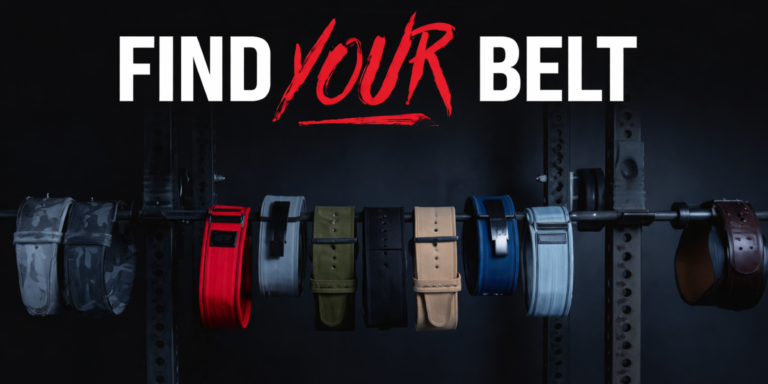
Powerlifters often prefer thicker lever belts for maximum support and rigidity. CrossFit athletes and functional fitness users usually choose quick-lock belts because they are easier to adjust between exercises. Prong belts remain a versatile option for general strength training.
Common Misconceptions About Gym Belts
There are several misunderstandings about how gym belts work, and these can prevent people from using them effectively.
Do Gym Belts Weaken the Core?
A common myth is that lifting belts make the core weaker. In reality, a properly used belt can increase abdominal muscle activation because the lifter must brace harder against it.
The belt supports natural mechanics rather than replacing them.
Can a Gym Belt Prevent All Injuries?
A lifting belt helps reduce risk, but it does not eliminate it. Poor lifting form, excessive ego lifting, and lack of mobility can still lead to injuries even when wearing a belt.
Proper technique and progressive training remain essential.
Are Gym Belts Only for Advanced Lifters?
Gym belts are useful for anyone performing structured strength training. Beginners should first learn basic breathing and bracing mechanics, but intermediate and even recreational lifters can benefit from belt support once foundational movement patterns are established.
Expert Tips for Using a Gym Belt Correctly
Proper use determines how effective a gym belt will be.
Find the Right Fit
A gym belt should feel snug but should not restrict breathing. If the belt is too loose, it will not provide enough support. If it is too tight, it may reduce mobility and interfere with proper bracing.
Position It Properly
Most lifters wear the belt around the midsection near the navel, although slight adjustments can improve comfort depending on body type and the specific exercise.
Learn to Brace Into the Belt
The most important technique is breathing into the abdomen rather than pulling the stomach inward. Expanding the core outward into the belt creates the pressure needed for maximum spinal stability.
Train Beltless Sometimes
Using a belt strategically is often better than relying on it for every movement. Beltless training during lighter sessions can strengthen natural stabilizing muscles and improve body awareness.
Choosing the Right Gym Belt for Your Needs
Different training styles require different belt designs.
Lever Belts for Maximum Support
Lever belts are popular among competitive powerlifters because they provide exceptional rigidity and quick locking adjustments. They are ideal for athletes lifting heavy loads consistently.
Prong Belts for Versatility
Prong belts offer flexible sizing adjustments and are commonly used for general strength training. They are a reliable option for most gym users.
Quick-Lock Belts for Functional Fitness
Quick-lock belts are lightweight and easy to tighten or loosen quickly, making them ideal for CrossFit and high-intensity interval training environments.
Material quality also matters. Genuine leather lifting belts provide long-term durability and strong support, while nylon belts offer more flexibility and comfort during dynamic movement.
Explore Other Strength Support Gear
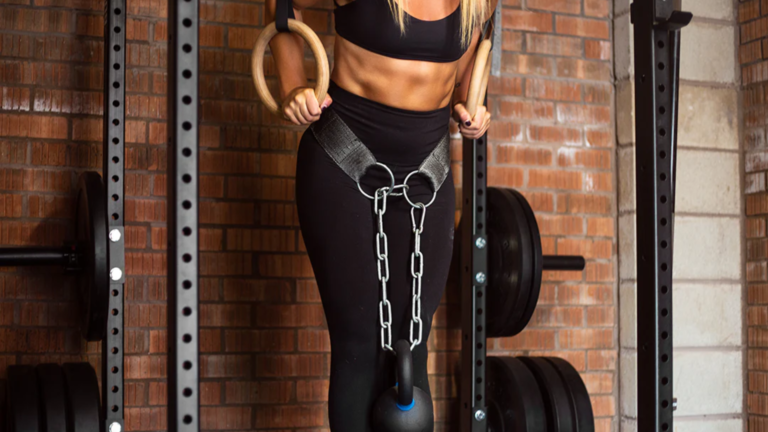
A complete strength training setup often includes more than just a lifting belt. Many athletes combine gym belts with knee sleeves, elbow sleeves, and other support accessories to improve performance and recovery. Exploring different support gear can help lifters build a safer and more effective training routine while matching equipment to their specific lifting goals.
Is a Gym Belt Worth It?
A gym belt helps improve core stability, support spinal alignment, and increase confidence during heavy strength training exercises. When used correctly, it can enhance performance, reduce lower back stress, and help athletes maintain better lifting mechanics over time.
The key is understanding that a lifting belt is a support tool, not a shortcut. Strong technique, proper breathing, and intelligent training remain the foundation of long-term progress.
For fitness retailers, gym equipment distributors, and ecommerce brands, gym belts continue to be one of the most valuable and high-demand strength training accessories. If you are sourcing premium lifting belts for resale, private labeling, or bulk purchase, choosing durable materials and athlete-focused designs can help deliver better performance and stronger customer satisfaction.